Local vs. Global Software Development: Making the Right Choice
Ever felt stuck choosing between a local software team and global talent? It’s a tough call for CTOs and business owners, figuring out how to choose a software development company. Your decision shapes project success, budgets, and long-term partnerships.
Many think local means pricey but reliable, while global seems cheap but dicey. Truth is, both have leveled up lately. This guide breaks down the real pros and cons to match your business needs. We’ll dive into costs, communication, expertise, and scalability to help you pick smart.
Ready to develop your custom software for businesses? Let’s explore the best path forward!
Local Development Company Advantages
There are many advantages you get when you opt to hire a software development partner locally or within the country where your business exists.
Geographic Proximity Benefits
Choosing a local team when deciding how to choose a software development company feels like having your best friend next door. Face-to-face meetings build trust fast, site visits make team integration seamless, and same time zone chats mean instant feedback. Cultural alignment keeps everyone on the same page, ensuring smooth startup software proximity and fewer missteps.
Legal and Compliance Advantages
Local developers know your legal landscape like the back of their hand. Familiar contract laws, data privacy rules, and IP protections keep you safe. No guesswork on local regulations—compliance is baked in. This reduces risks and headaches, making local software development benefits a smart choice for startups needing airtight legal clarity.
Market Knowledge and Insights
Local teams get your market’s pulse—user habits, competitors, and regulations. They craft apps that resonate locally, like an e-commerce platform tailored for regional shoppers. Access to local user feedback sharpens your edge. This market savvy, a key local software development benefit, ensures your project hits the mark.
Communication and Collaboration
Local teams speak your language—literally and culturally. Native proficiency and shared business etiquette cut miscommunication risks. Stakeholder alignment is a breeze with quick, clear chats. Custom software collaboration thrives when everyone’s on the same wavelength.
Economic and Strategic Benefits
Hiring locally boosts your community’s economy and builds lasting partnerships. Supporting nearby jobs creates goodwill, while local references strengthen your network. Long-term relationships mean reliable future projects. Choosing local when figuring out how to choose a software development company fosters strategic wins for startups craving trusted allies.
Quality Control
With a local team, oversight is easy—pop in for updates or debug sessions. Direct access to developers speeds up fixes and ensures quality. No waiting across time zones for solutions. This hands-on control, a core local software development benefit, keeps your project polished and on track for success.
Global Development Company Advantages
Global hiring, also known as offshore development services, helps you gain access to a larger talent pool and competitive pricing.
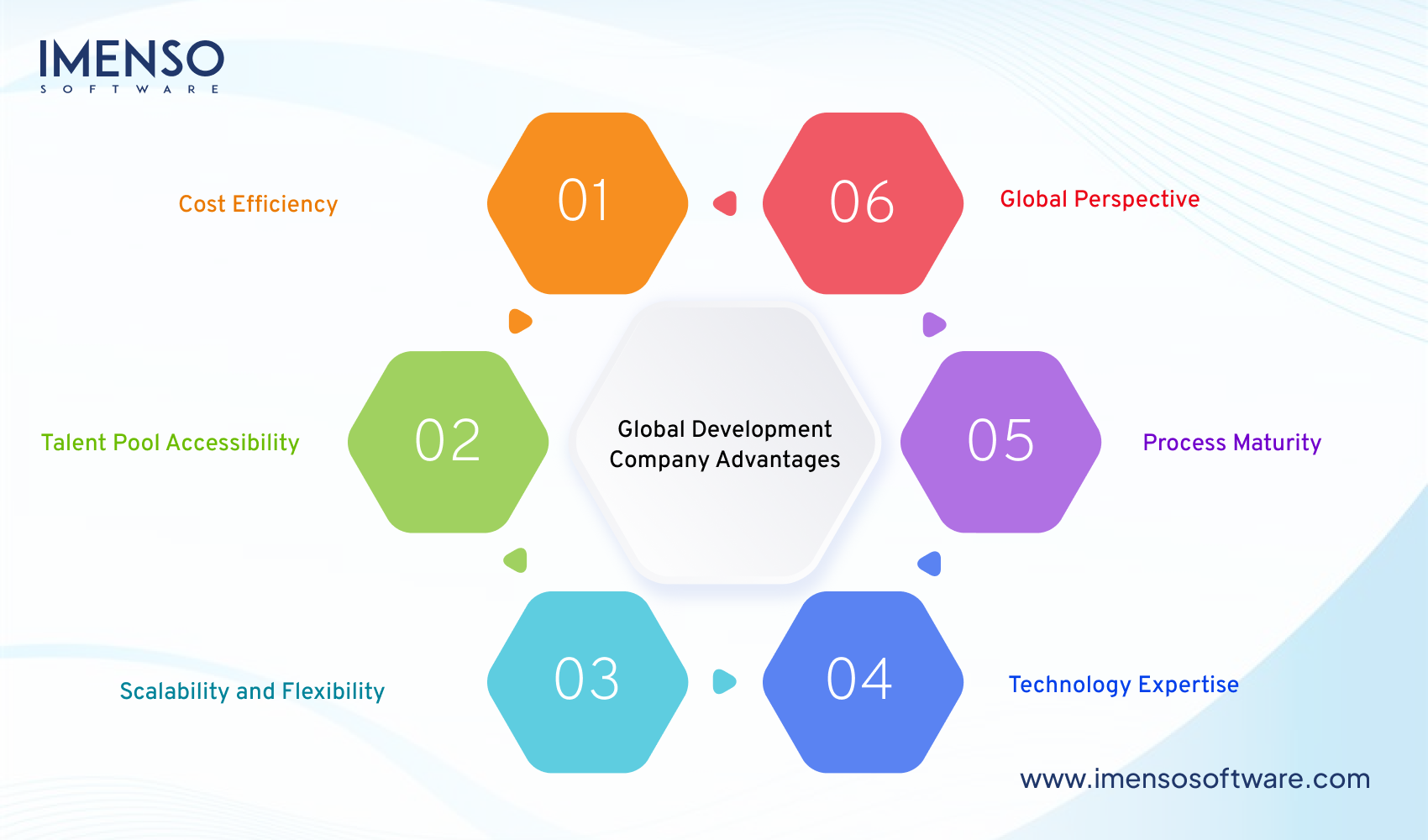
Cost Efficiency
Going global can slash your software project budget. Offshore teams in regions like Eastern Europe ($40-$80/hr) or Asia ($20-$50/hr) offer lower rates than US firms ($100-$200/hr). These savings, a key global software development benefit, let startups stretch funds further without sacrificing quality, maximizing ROI on tight budgets.
Talent Pool Accessibility
Global teams unlock a massive talent pool. Need a niche AI expert or a rare framework guru? Places like India or Ukraine have thousands of skilled devs ready to roll. This access, a huge software outsourcing advantage, ensures your project gets top-tier talent tailored to your startup’s unique needs.
Scalability and Flexibility
Global firms shine in scaling fast. Need to ramp up your team for a big push or pivot? Offshore providers can add devs in days, not weeks. This flexibility, a core global software development benefit, keeps your startup agile, adapting to growth or changes without missing a beat
Technology Expertise
Global teams often lead in cutting-edge tech. Developers in tech hubs like Bangalore or Kyiv stay ahead on AI, blockchain, or cloud platforms. Their deep expertise, a standout software outsourcing advantage, ensures your startup’s project leverages the latest tools for a competitive edge.
Process Maturity
Top global firms bring polished processes like Agile or DevOps, honed across diverse projects. Their mature workflows—think tight sprints and automated testing—cut errors and delays. This reliability, a key global software development benefit, ensures startups get polished results with predictable delivery.
Global Perspective
Global teams bring a worldly view, crafting apps that resonate across markets. Their experience with diverse users and industries adds universal appeal. This global software development benefit helped a startup expand internationally with an app built for varied cultures, boosting user adoption.
Cost-Quality Tradeoffs Analysis
Cost and quality analysis is an important assessment criterion to pick the right software development partner for your project. This involves checking various pricing models of different vendors and selecting the best one that offers a balanced option for quality and cost.
Cost Comparison Breakdown
When figuring out how to choose a software development company, costs vary wildly. Local US firms charge $100-$200/hr, while Eastern Europe ($40-$80/hr) or Asia ($20-$50/hr) save bucks. Include maintenance (15-20% yearly) and hidden fees like setup. Compare total costs for smarter budgeting.
Quality Considerations
Cheap doesn’t always mean bad, but quality matters. Local teams offer tight oversight; global ones bring diverse expertise. Check portfolios and code samples—local or offshore. A sloppy codebase can cost millions in fixes. Prioritize quality in your software development cost comparison to ensure a reliable, user-friendly product.
Common Cost Misconceptions
Many think local is always pricier and global is risky. Not true! Local firms can be cost-competitive, while top offshore teams deliver premium quality. Misjudging costs leads to bad picks. A clear software development cost comparison debunks myths, helping startups choose value over price alone.
Risk-Adjusted Cost Analysis
Low bids can hide risks like delays or bugs. Factor in potential rework, security breaches, or missed deadlines. Offshore might save 40%, but communication hiccups add time. Use risk-adjusted costs for smarter startup software budgeting.
Value-Based Evaluation Framework
Don’t just chase low prices—focus on value. Weigh expertise, speed, and support against cost. A scoring matrix (30% quality, 25% experience, 20% cost) guides decisions. This custom software value approach ensures you pick a partner delivering ROI, not just savings, for long-term success.
Decision-Making Framework and Guide
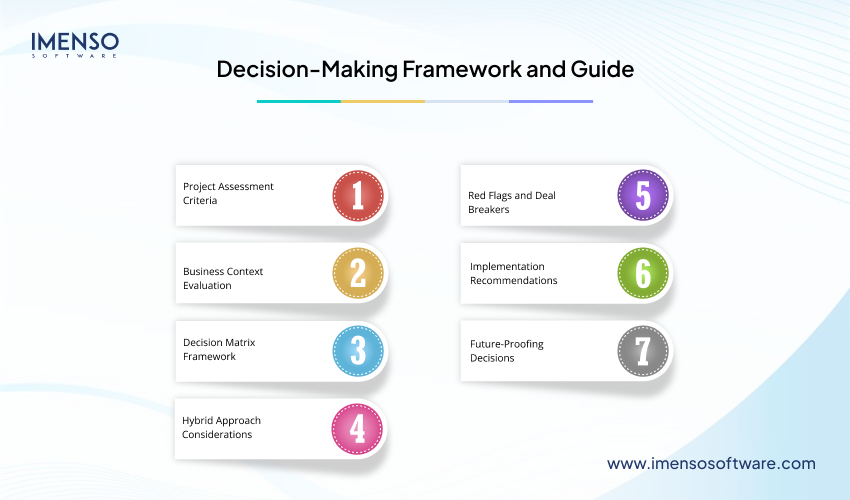
Final decision shouldn’t be made in a hurry; there are several other essential factors you should consider before finalizing the deal. By considering these factors, you can ensure you get the best vendor for software development.
Project Assessment Criteria
When figuring out how to choose a software development company, assess project fit. Check their portfolio for a similar scope and tech. Evaluate timelines, team size, and delivery history. Clear criteria ensure your software vendor evaluation picks a team ready to deliver.
Business Context Evaluation
Understand your business needs before picking a vendor. Define goals—revenue, user growth, or efficiency. Assess market demands and compliance needs, like GDPR for healthcare. Local teams may get local markets better; global ones scale faster. A solid business context drives smarter custom software decision-making for startups.
Decision Matrix Framework
Create a decision matrix to compare vendors: 30% expertise, 25% cost, 20% communication, 15% scalability, 10% culture. Score each based on portfolio, references, and fit. This structured approach ensures you pick the best partner for your startup software strategy.
Hybrid Approach Considerations
Mix local and global teams for the best of both worlds. Use local expertise for oversight and global talent for cost savings. Coordinate time zones and clear roles to avoid clashes. A hybrid model cuts costs, balancing quality and scalability in custom software decision-making.
Red Flags and Deal Breakers
Watch for warning signs: vague proposals, no recent references, or weak communication. Low bids often hide poor quality or delays. Thorough software vendor evaluation catches these red flags before they tank your project.
Implementation Recommendations
Start with a small pilot project to test the vendor. Set clear SOWs, milestones, and KPIs. Use tools like Jira for tracking. Involve stakeholders early for alignment. Regular check-ins and demos keep things on track, ensuring your startup software strategy rolls out smoothly with minimal hiccups.
Future-Proofing Decisions
Choose vendors who scale with your growth. Prioritize flexible tech stacks and teams with cloud or AI expertise. Plan for maintenance and updates upfront. A forward-thinking vendor helps your startup expand globally with minimal rework. With a smarter choice, you can secure long-term success for your custom software product.
Final Thought
There’s no one-size-fits-all when deciding how to choose a software development company. Use a systematic software vendor selection framework—assess needs, set criteria, and test with a pilot project.
Start with clear requirements, prioritize quality over cheap deals, and build lasting relationships, local or global. Trends show hybrid models rising, blending local oversight with global talent.
Don’t rush; a thorough startup software evaluation saves headaches. Grab our free decision matrix template to nail your custom software strategy and start your journey today!
Ready to start your software development project with the top 1% professionals?
Frequently Asked Questions
1. Why is vetting a software development company so important?
Vetting ensures you pick a reliable partner, avoiding budget overruns and delays. Thorough checks on expertise, references, and processes align the team with your needs. Smart software vendor selection drives project success.
2. How long should the vendor selection process take?
Expect 2-4 weeks for a thorough evaluation. Map stakeholders, review portfolios, check references, and compare proposals. Rushing risks costly mistakes, but a structured software vendor selection process, like using a decision matrix, ensures clarity and alignment for startups aiming for custom software strategy success.
3. What’s the biggest mistake when choosing a software development company?
Focusing only on cost can tank your project. Low bids often lead to poor code, delays, or support issues. Prioritize value—expertise, communication, and quality—over price. A balanced approach in how to choose a software development company ensures long-term startup software evaluation success.
4. Should I choose a local or global software development company?
It depends on your needs. Local offers better communication and oversight; global provides cost savings and talent access. Weigh project scope, budget, and collaboration needs. A hybrid model can blend both. Use a clear software vendor selection framework to pick the best custom software strategy.
Want more information about our services?


Similar Posts

How Long Does It Take to Develop a Mobile App?
In the modern digital landscape, the phrase “there’s an app for that” has become more than just a catchphrase—it’s a testament to the ubiquitous nature of mobile applications. These pocket-sized powerhouses have transformed the way we communicate, work, shop, and entertain ourselves. Behind every successful app lies a complex and meticulously orchestrated process known as […]...

How much does it cost to create an app in 2024 – A Detailed Guide
Ever wondered what it takes to turn your brilliant app idea into a reality? How much does it truly cost to create an app that captivates users and brings value to their lives? As the digital era accelerates, mobile app development has become a powerhouse, shaping industries and driving innovation. Did you know that by […]...

Magento 1 to Magento 2: When is the time to upgrade?
As soon as Magento 2 appeared and became popular, the web became full of buzz concerning the migration from the first version to this latest one. Well, there are too many compelling and lucrative reasons to go for this migration. The Magento 2 with several value additions is all set to make the Magento web […]...