How the Discovery Phase Defines Project Success
Ever watched a software project spiral into chaos? It’s often because a clear idea of what success looks like up front might be hazy for businesses. Therefore, in software development, the discovery phase is the cornerstone of your project; picture it as the road map that unites your team, makes objectives clear, and charts the technological course.
Skip it, and you’re begging for costly rework. A solid discovery phase can cut cost overruns significantly by having a clear roadmap before execution. Investing 10-15% of your budget here saves millions later.
This guide dives into how the discovery phase drives stakeholder alignment, smart technical planning, clear roadmaps, and predictable costs. Ready to set your project up for success?
Let’s explore why the discovery phase in software development is your secret weapon!
Aligning Stakeholders
To ensure that the discovery phase is successful, make sure that all parties involved are in agreement. Essential stakeholders must work closely together to complete this project, including:
- Decision-makers
- Tech teams
- Designers
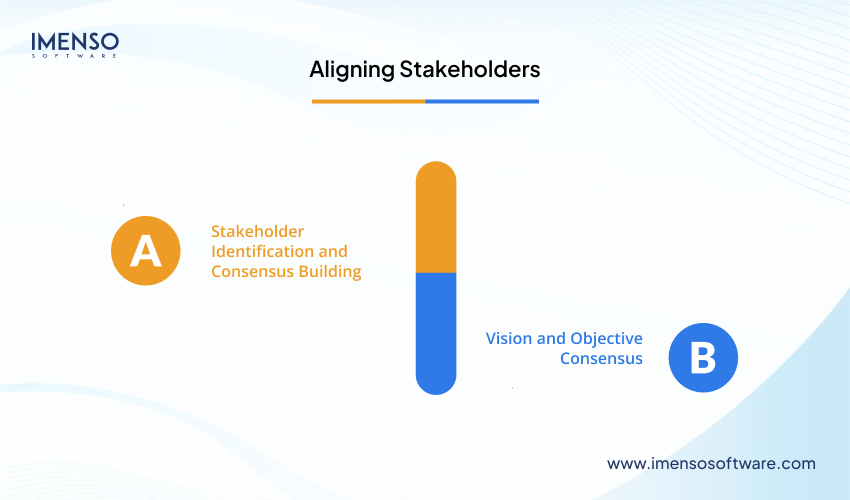
Stakeholder Identification and Consensus Building
Ever seen a software project derail because nobody was on the same page? That’s where the discovery phase in software development shines, starting with stakeholder alignment. Picture mapping out everyone who matters—users, business sponsors, tech teams, even end customers.
You spot competing priorities early, like budget battles or timeline crunches, before they wreak havoc. Getting everyone to agree on what “done” looks like and defining success metrics sets a clear path.
Establishing decision-making hierarchies and communication protocols—like meeting schedules and approval flows—keeps things smooth. This guide dives into how stakeholder alignment in software builds consensus, slashes conflicts, and drives success.
Vision and Objective Consensus
Ever kicked off a software project only to find everyone’s chasing a different goal? The discovery phase in software development gets your team aligned. Start with a solid business case—nail ROI projections and market opportunities. Use the MoSCoW method to prioritize features: must-haves first, nice-to-haves later.
Focus on user personas and pain points to drive value. Assess risk tolerance—innovation or stability?—and prep for change with training and adoption plans. Set a clear vision for software vision alignment and watch your project soar!
Technical Clarity
Technology evolves at a rapid pace, and not every technology is suitable for all kinds of businesses. Hence, identifying and adopting the right tech stack is vital for your project’s success. This requires careful assessment of your tech needs.
Architecture and Technology Planning
Ever seen a software project crash because the underlying tech wasn’t aligned to your vision? The discovery phase in software development sets the stage with smart architecture planning. Evaluate your tech stack and pick the right
- Languages
- Frameworks
- Cloud platforms
- Document system design
- APIs
- Data flows
Plan integrations with third-party tools and existing systems. Define performance needs, like 99.9% uptime, and secure your app with encryption and compliance. Assess risks to dodge bottlenecks. Get software architecture planning right, and your project’s built to win!
Resource and Feasibility Assessment
Building software without a plan is like cooking without ingredients. The discovery phase in software development maps out your resources and feasibility. Start with team composition—pinpoint the developer, designer, and QA skills needed.
Spot gaps early and plan training or consultants. Choose Agile for flexibility or Waterfall for structure, with clear sprint cycles. Select tools like Jira for project management and cloud platforms for development. Build a proof of concept to test key features and tackle risks. Verify compliance with regulations and security standards.
Plan infrastructure—hosting, staging, and dev environments—to ensure smooth execution. Smart software resource planning sets your project up for success.
Roadmap Creation
Once you have figured out how things will be done, who will be doing what, and what resources you will be using, you will have a clear roadmap to complete the project. This requires further brainstorming and discussions.
Feature Prioritization and Phasing
Building your MVP starts with smart choices in the discovery phase of software development. Define your core features—focus on essential user journeys that deliver value fast. Plan releases: Phase 1 for the MVP, Phase 2 for enhancements, and Phase 3 for advanced bells and whistles.
Map user stories to visualize customer journeys and spot feature dependencies. Score features by business impact—revenue, user happiness, or competitive edge. Map technical needs like infrastructure and integrations. Time your launch for market readiness, like hitting seasonal peaks. MVP feature prioritization keeps your project lean and impactful.
Timeline and Risk Planning
Ever faced a project disruption because of some sort of surprises over the course? The software development discovery phase keeps your timeline tight and risks in check. Plan 2-4 weeks’ sprints with clear velocity and capacity estimates. Spot the critical path—blockers like dependencies or resource gaps—early. Add a 20% buffer for unexpected hiccups or scope tweaks. Map out risks, from tech challenges to team availability, and plan fixes.
Schedule stakeholder demos for feedback and approvals. Prepare for launch with marketing sync, user training, and support docs. Smart software project timeline planning ensures your project stays on track and stress-free.
Cost Predictability
Now everything is finalized, and you are ready to hit the ground running. But understanding the costs in the project helps you make a budget and allocate financial resources optimally. Thus, this phase involves identifying and assessing the project cost.
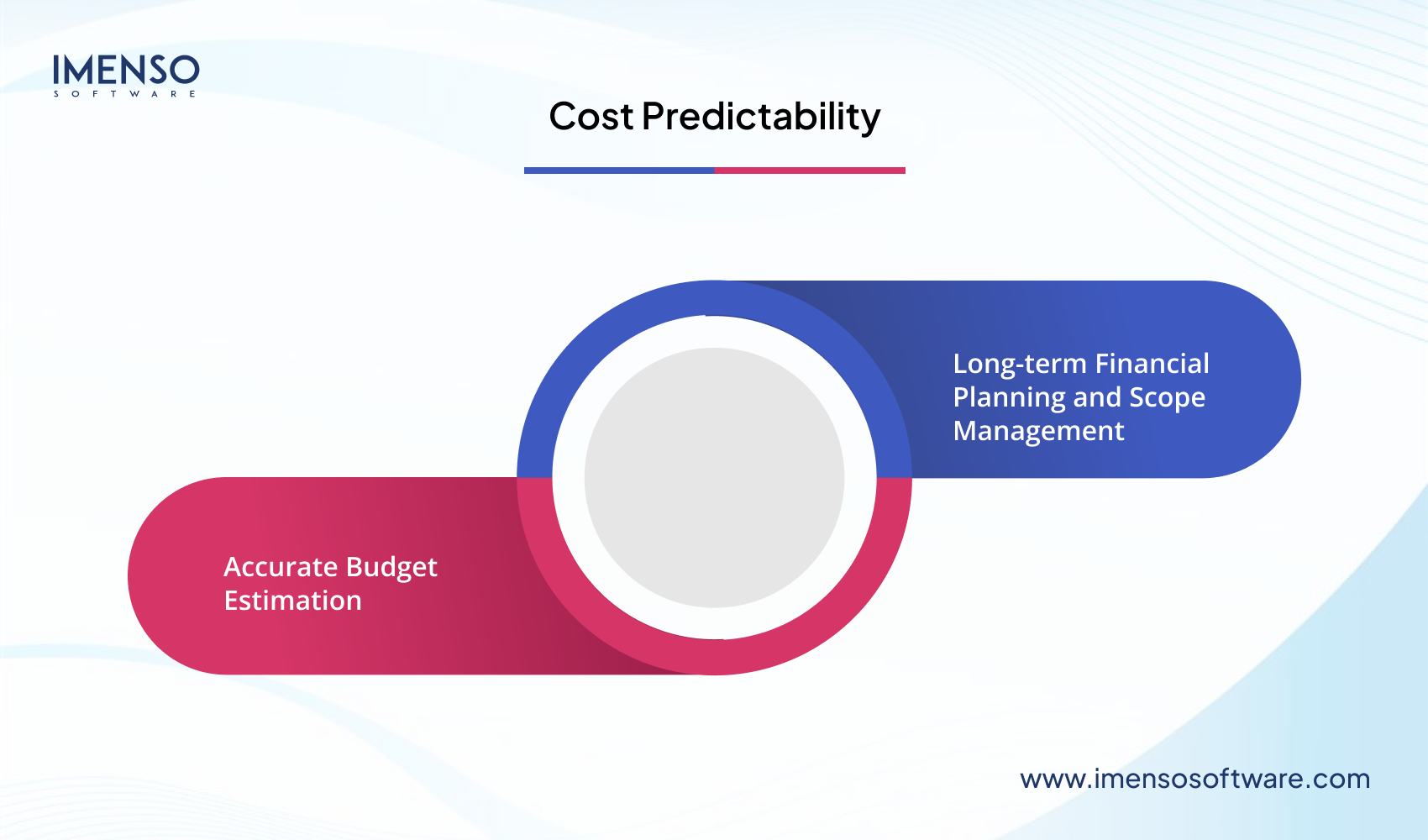
Accurate Budget Estimation
No one wants budget surprises mid-project. The software development discovery phase nails down costs upfront. Break it down: development hours, design, testing, and project management. Analyze resource costs—team rates, infrastructure, and tools like third-party APIs.
Plan budgets by phase: MVP first, then enhancements and maintenance. Add a 15-20% contingency for scope tweaks or unexpected hurdles. Don’t forget the total cost of ownership—development, deployment, hosting, and ongoing support.
Long-term Financial Planning and Scope Management
Smart budgeting keeps your software project from becoming a money pit. In the software development discovery phase, set up clear change request processes:
- Document needs
- Assess impacts
- Get approvals to avoid chaos.
Plan for maintenance and enhancements like new features or tech upgrades. Budget for scaling—think infrastructure or team growth. Project ROI by estimating revenue, savings, and efficiency gains. Keep flexible funds for approved changes using prioritization frameworks.
Conclusion: Unlocking Success with Smart Discovery
The software development discovery phase is your project’s secret weapon. Investing 10-15% upfront can save you 3-5x in cost overruns, with projects boasting an 85% success rate compared to 35% without. It delivers stakeholder alignment, clear tech plans, realistic roadmaps, and predictable costs.
Expect 2-4 weeks for small projects or 6-8 weeks for complex ones. Plus, structured discovery drives 60% faster delivery, giving you a competitive edge. Start with stakeholder mapping, dedicate time, and bring in experienced professionals to map your custom software planning.
Ready to set your software project up for success?
FAQs on Discovery Phase
1. Why is the discovery phase so critical in software development?
In software development, the discovery phase is crucial because it aligns stakeholders, establishes clear goals, and chooses the right tech stack, all of which lay the foundation for faultless execution. Ignoring these results in misunderstandings, rework, unforeseen costs, and delays. By allocating 10–15% of your budget up front, you can steer the project toward success and prevent 3–5x cost overruns.
2. How long does the discovery phase typically last?
The project’s complexity and a number of other variables affect it. The discovery phase may take two to four weeks for small projects, but it could take up to eight weeks for enterprise-level projects. Stakeholder alignment, technical planning, roadmap creation, and costing typically take up the time. Even though the software development process may appear to be delayed by the discovery phase, this initial investment is necessary to reduce risks, save time later, and guarantee a more seamless execution.
3. What activities are included in the discovery phase?
- Stakeholder mapping
- Business goal
- Technical feasibility evaluations
- Resource planning
- Feature prioritization
- Risk assessment
- Budget estimation
To verify assumptions, teams frequently employ workshops, interviews, and proofs of concept. By the end, you’ll have a well-defined success metric, precise cost estimates, and a clear roadmap that will guarantee development remains aligned and focused.
4. How does the discovery phase reduce project risks?
Before development begins, the discovery phase identifies possible obstacles, such as:
- Competing goals
- Mismatched tech stacks
- Underfunded projects
Teams can rank key features, add buffers, and establish reasonable deadlines by identifying risks up front. By reducing costly surprises in the middle of a project, this methodical approach improves execution, reduces delays, and increases the likelihood of software that meets expectations.
Want more information about our services?


Similar Posts

Top 9 Features That Make Laravel The Best PHP Framework
Laravel is an open-source PHP framework that was created by Taylor Otwell in 2011. The web application development framework is among the most trending PHP Laravel frameworks for various industry verticals. ...

The Hidden Costs of Hiring Developers Offshore (And How to Avoid Them)
Are you exploring ways to reduce offshore development costs by hiring developers from overseas? The debate around outsourcing has been ongoing in the U.S. for years—and it’s not going away anytime soon. Still, one fact remains clear: businesses often need an offshore development team because it significantly cuts expenses. Partnering with skilled developers from other […]...

Build vs. Buy Software – What Should You Choose?
Are you stuck in solving a riddle to choose between building or buying software? Whatever the requirements are, you must go through the entire software analysis process to make the right decision. Buy when you can, build when you must! ~Martin Fowler Since the line between building and buying has blurred, the stakes are still […]...